Volvo Fuel Pump Failure: Symptoms, Diagnosis and Replacement (S60, V70, XC60, XC90 and More)
What the fuel pump does on a Volvo
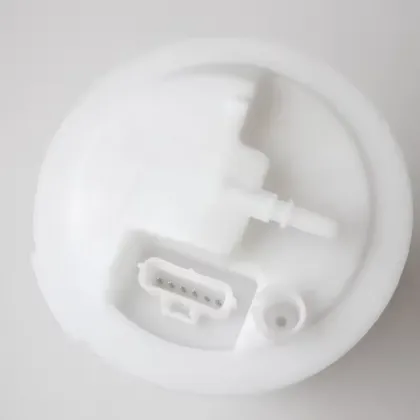
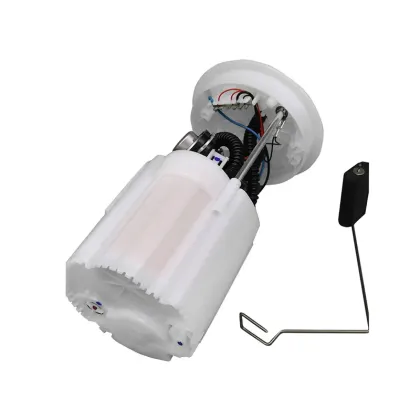
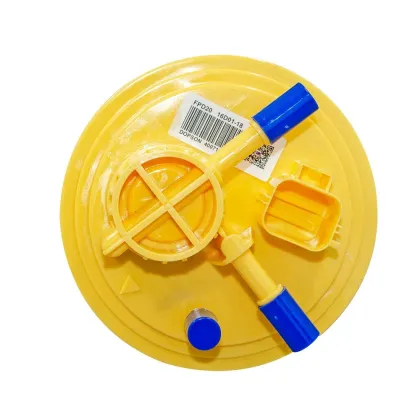
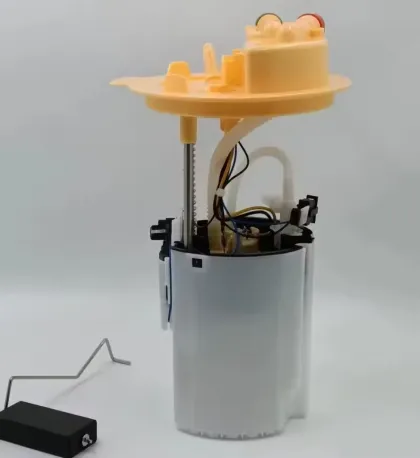
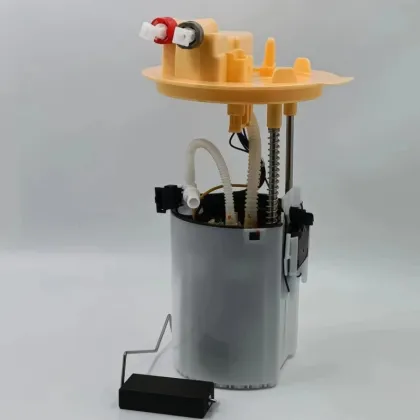
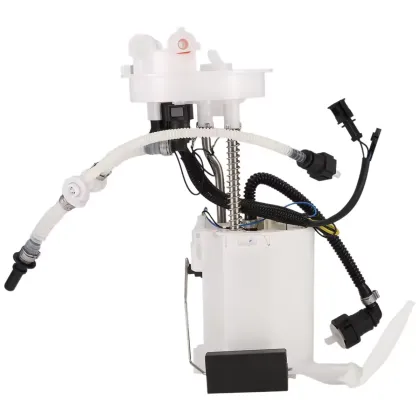
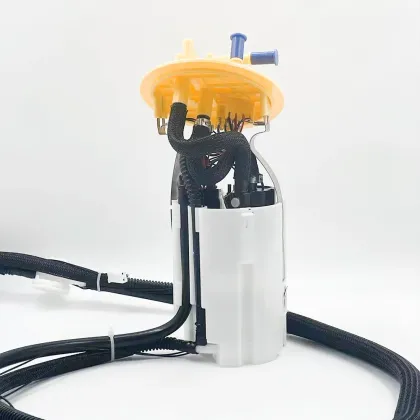
On every Volvo in this guide, the fuel pump sits inside the fuel tank as part of a module, often called the fuel pump assembly or sender unit. The module holds the electric pump, a strainer and the fuel level sender, and on many models a filter as well. It pushes fuel forward to the engine. On direct-injection engines, such as the 2.0 L four-cylinder in later S60, V60, XC60, XC90 and 90-series models, it feeds the high-pressure pump on the engine.
Many Volvos from the early 2000s on use a demand-controlled fuel system. A separate fuel pump control module, usually called the PEM (pump electronic module), varies the pump speed to match what the engine needs. Some models, including the first-generation XC90, also have two units in the tank, one on each side.
Signs the pump is failing
- Long cranking before the engine starts, or a crank-but-no-start.
- Stalling or sputtering, particularly at highway speed, under load or with a low fuel level.
- Loss of power or hesitation under acceleration, with a check engine light.
- Hard starting when the engine is hot.
- A louder whine from under the rear seat, or no priming sound when you switch the ignition on.
- A fuel gauge that reads wrong, since the level sender is part of the module.
A fuel smell inside or around the car is a different problem. Stop using the car and find the leak before you do anything else.
Rule out the PEM and check for recalls
On models that have a PEM, a failed module can cause exactly the same no-start or stalling as a failed pump, sometimes without a check engine light. Some PEMs are mounted where moisture can reach them, and corrosion is a known cause of failure. Test the module and its wiring before you buy a pump.
In 2009 Volvo recalled certain 2001–2005 S60, S80, V70, XC70 and XC90 models (NHTSA 09V-483) because the flange on top of the pump could crack and let fuel seep out, especially in hot climates. If you own one of these models and smell fuel, check your VIN at nhtsa.gov/recalls or with a Volvo retailer.
How to diagnose it
- Work safely. Fuel in the lines is under pressure even with the engine off. Keep flames and sparks away and relieve pressure by the factory procedure before opening anything.
- Read fault codes with a scan tool that can reach Volvo's engine and fuel modules, such as Volvo's own diagnostic software or a capable aftermarket tool. Low fuel pressure codes and PEM communication codes point in different directions.
- Check the fuel pump fuse, the relay where fitted, and the power and ground at the PEM and the pump connector.
- Measure fuel pressure against the specification in your repair information, at idle and under load. On direct-injection engines, scan tool live data for rail pressure also helps.
- If you remove the module, look at the strainer and the inside of the tank. Debris, rust or water means the tank should be cleaned before a new pump goes in.
Matching the module: OEM number and VIN
Volvo part numbers are usually eight digits. The right module depends on the platform, engine, drivetrain and model year, and Volvo has revised many numbers over time. Compare the number on your old module, or check your VIN in a Volvo parts catalog, before ordering.
- 30761743: C70 (2000–2003), S60 (2001–2002), S70 (2000), S80 (1999–2002) and V70 (2000–2003), with five- and six-cylinder gas engines.
- 31261819: first-generation XC90 (2005–2014), with the 2.5 L five, the 2.9 L and 3.2 L sixes and the 4.4 L V8.
- 30792729: C30 (2008–2013), C70 (2006–2013), S40 (2007–2011) and V50 (2006–2011), with the 2.4 L and 2.5 L five-cylinder.
- 30792730: C30 (2008–2010) and V50 (2008–2011), five-cylinder. Same cars as above, different number, so check yours.
- 31372880: S80 (2007–2015), XC60 (2010–2016) and XC70 (2008–2016).
- 31372888: S60 (2011–2016), V60 (2015–2016) and the 2016 S60 Cross Country, with the 2.5 L five and 3.0 L six.
- 31372884 and 31372885: S60 (2015–2018), V60 (2016–2018) and S60 Cross Country (2017–2018), with the 2.0 L four-cylinder.
- 31392029 (also sold as 31372616 and 31355907): S60 (2019–2023), S90 (2017–2021), V60 (2019–2024), V90 (2018–2021), V90 Cross Country (2017–2021), and the T8 plug-in hybrid XC60 (2018–2021) and XC90 (2016–2021).
Each product page lists the trims and engines it covers. You can also browse all Volvo fuel pumps or the Volvo catalog.
Replacement overview, difficulty and safety
Difficulty: intermediate. On most of these Volvos you remove the rear seat cushion and an access cover in the floor to reach the module, then undo a large lock ring or retaining nut. The ring is often tight, and a dedicated tool makes the job much easier. The first-generation XC90 has two access points on top of the tank, and DIY guides rate it as a difficult job.
- Work outdoors or in a well-ventilated area, away from ignition sources, with a fire extinguisher nearby.
- Relieve fuel pressure and disconnect the battery before you unplug the module.
- Run the tank low beforehand, and vacuum around the access cover so dirt does not fall into the tank.
- Use a new seal, make sure the module is oriented correctly and the float arm moves freely, and tighten the ring evenly.
- On T8 plug-in hybrids the tank system equalizes its pressure before it can be opened, so follow the factory procedure for depressurizing the tank.
- Prime the system with the ignition, check for leaks and fuel smell, then start the engine and clear codes.