BMW Fuel Pump Control Module (FPCM): Symptoms, Testing and Replacement
What the fuel pump control module does
On many BMWs the electric fuel pump in the tank is not simply switched on and off. A control module, called the fuel pump control module, FPCM, or fuel pump driver module, sits between the engine computer (DME) and the pump. The DME tells it how much fuel is needed, and the module varies the pump’s speed and output to match. That saves energy and keeps the pump from running flat out when the engine does not need it.
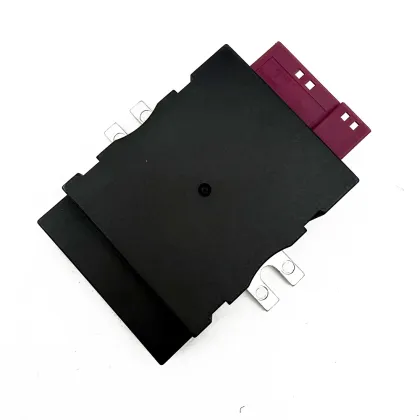
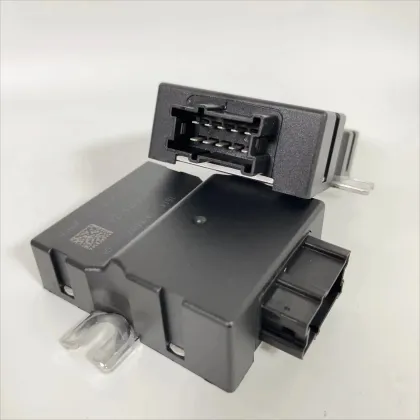
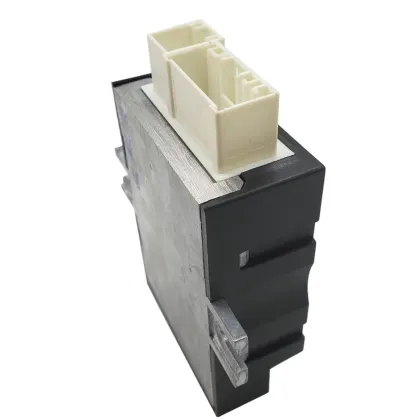
The module is an electronic unit, usually mounted in the luggage compartment or under the rear seat area, depending on the model. It handles significant current and lives in a spot that can get damp. That is why it is a well-known failure point on several BMW generations, including 3-series, 5-series and 1-series cars from the 2000s and 2010s.
Symptoms of a failing FPCM
- The engine cranks normally but does not start, or starts only after repeated tries.
- The car starts, runs for a while, then stalls and may restart after it cools or after the ignition is cycled.
- Loss of power or limp mode, especially when fuel demand is high.
- No humming from the rear of the car when you first switch the ignition on, which normally indicates the pump priming.
- Intermittent problems that come and go with temperature, rain or a damp trunk.
- A fuel pump or engine malfunction message in the instrument cluster.
A dead pump produces the same symptoms, and so does a blown fuse, a corroded connector or a weak battery. This is a diagnosis job, not a guessing job.
How to test it
Read the fault memory first. Generic codes such as P0230 (fuel pump primary circuit) or P0627 (fuel pump control circuit open) may appear, and BMW stores its own manufacturer-specific codes for the module and pump. A scan tool that reads BMW modules will show more than a basic reader.
- Check the battery and the relevant fuses. A weak battery can mimic module faults.
- Open the module’s cover or access panel and look for water, green or white corrosion, or burn marks on the connector and the board.
- Listen for the pump at key-on. A brief hum means the pump received a command. Silence suggests the module, fuse, wiring or the pump itself.
- With a scan tool, watch the commanded and actual fuel pressure. Low-pressure data that does not follow the DME’s request points to the module or pump.
- Check for voltage and ground at the module connector with a multimeter, following a wiring diagram for your model.
If the module checks out but pressure is still wrong, move on to the pump. Our guide to the BMW high-pressure fuel pump covers the other half of the fuel system.
Finding the right module: OEM number and VIN
BMW has used many module versions, and they differ by model, engine and year. Part numbers for these modules usually begin with 16 14 7, but the number must match your car exactly. Compare these sources:
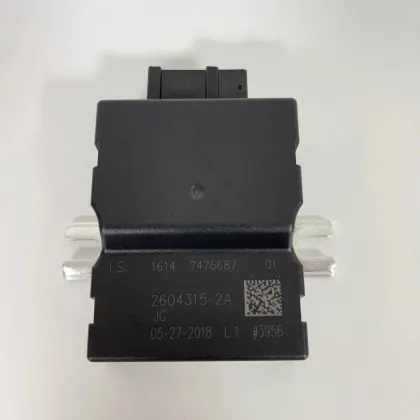
- The part number printed on your existing module’s label.
- A BMW parts catalog search by VIN. Please verify the OEM number against your VIN before ordering.
- The fitment table on each listing in our catalog.
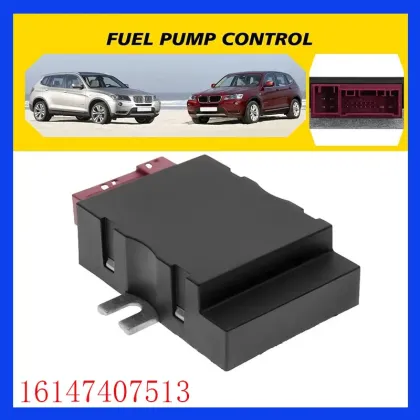
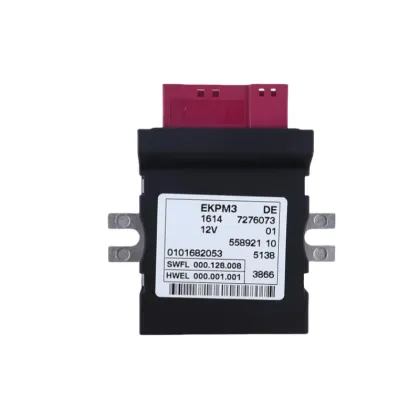
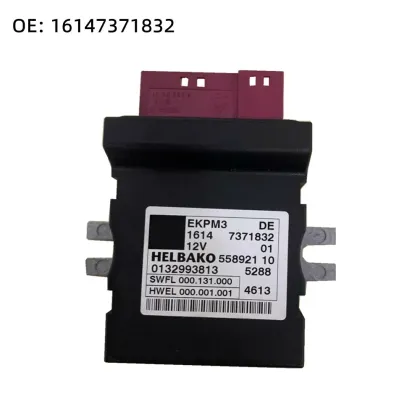
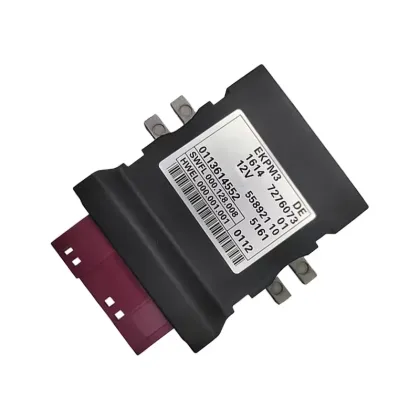
Examples from our catalog: 16147229173 is the best-known number and is used across many late-2000s E-series cars (1-, 3-, 5-series, X5, X6, Z4), 16147276073 is listed for F-series cars such as the F10 5-series and F01/F02 7-series, and 16147407513 and 16147358144 are other module numbers in the same family. Fitment varies by engine and build date, so use the listing’s fitment table and your VIN. Some listings cover two OEM numbers, because BMW superseded one with the other. Browse all fuel pump driver modules or the BMW fuel pump category if you need the pump too.
Replacement modules generally need to be coded to the car after installation. Plan for that before you start.
Replacement overview, difficulty and safety
Difficulty: beginner to intermediate. On many models the module is reached from inside the luggage compartment or under the rear seat, and swaps in with a connector and a few fasteners. Coding is the part that calls for software and an interface cable.
- Disconnect the battery before touching the module or its connector.
- Photograph the connector and routing before you remove anything.
- Dry the area, repair the cause of any water entry and clean corroded terminals. A new module in a wet compartment will fail again.
- Mount the new module in the same orientation, reconnect, restore the battery and prime the system by cycling the ignition before cranking.
- Re-check fault memory, clear stored codes and drive the car to confirm normal operation.
Fuel odor in the trunk, a fuel leak or damaged wiring around the tank is a separate problem. Stop and have the car inspected rather than continuing.
OEM versus aftermarket: an honest view
Electronics are where aftermarket quality varies most. Genuine BMW and original-equipment suppliers typically have the most consistent track record, at a higher price. The modules in our catalog are aftermarket replacements listed against the BMW OEM numbers shown; they are not genuine BMW parts. They can make sense when the dealer price is hard to justify on an older car, but you should accept that longevity and warranty terms may differ, and confirm the details with us before you pay.
Whichever route you take, fix the underlying cause (moisture, a failing pump drawing too much current, a bad ground) so the new module is not asked to survive the same conditions.