BMW Air Suspension Problems: Sagging, Leaks and Air Spring Replacement
How BMW air suspension works
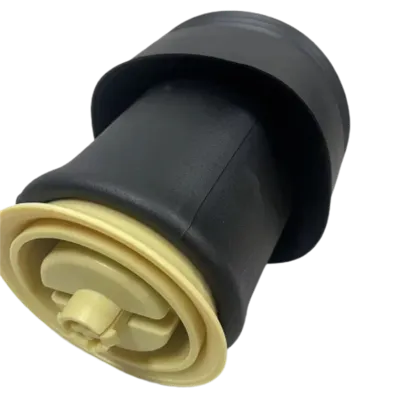
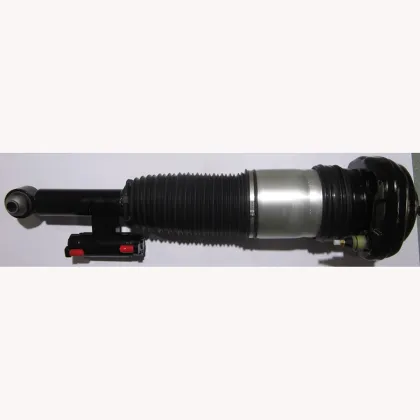
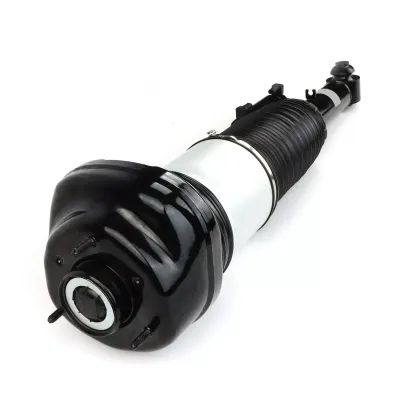
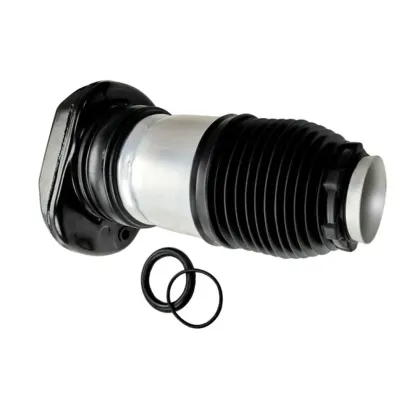
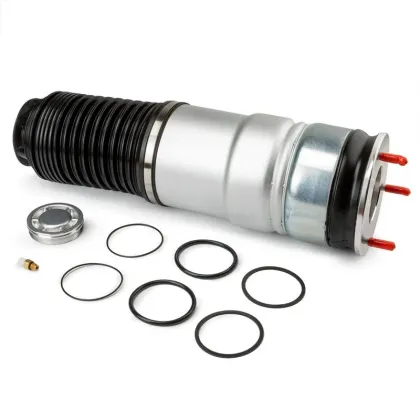
Several BMW models replace the steel coil springs with rubber air springs, also called air bellows or pneumatic springs. On the E70 X5 and E71 X6 the rear axle is self-leveling and keeps ride height constant under load; on F15/F16 and many 7 Series models (such as the F01/F02 and G11/G12) the system works at all four corners and can raise or lower the car. It is made up of a few parts: the air springs (sometimes built into a strut), an electric compressor with a dryer and valve block, lines and fittings, height sensors at the axles, and a control unit that decides when to add or release air.
Some models have air springs only at the rear. Others have all four corners on air with a ride-height setting. Check which version your car has before ordering, because front and rear parts differ, left and right can too, and cars with adaptive or sport suspension use different parts.
Common symptoms
- One corner, or the whole rear, sits low after the car has been parked overnight and rises again after you drive or start the compressor.
- A suspension or chassis warning message in the instrument cluster.
- The compressor runs often, for a long time, or you hear it whine or labor when the car is started.
- A harsh, bouncy ride, or the car leaning in corners.
- Hissing from a wheel well, or a tire close to rubbing the fender.
- Visible cracks or creases in the rubber of the bellows, or dampness around it.
The usual cause is a leaking air spring: as rubber ages, small cracks open at the folds. A leak makes the compressor work harder to keep up, and an overworked compressor wears out. Replacing a spring early can save the compressor.
How to diagnose it
- Look and feel. With the car raised to the correct height and safely supported, inspect each bellows for cracks, chafing and wet spots, and check the lines for rubbing.
- Use soapy water. Spray a mix of dish soap and water on the bellows, fittings and valve block. Bubbles show where air is escaping.
- Read fault memory with a BMW-capable scan tool. It can show which corner is out of range, a sensor fault, or a compressor timeout. Generic readers often do not read the chassis module.
- Listen to the compressor and check its fuse and relay. If it runs but pressure does not build, look for a leak or a clogged dryer. If it does not run, check power, fuse and the relay before blaming the compressor.
- Check the height sensors and their linkage. A loose or broken link can imitate a leak.
Test before buying parts. Air systems waste money when parts are replaced by guess.
Matching parts: OEM number and VIN
BMW numbers differ by model, axle and sometimes by the suspension options fitted. Take the number from your old spring or strut and verify it against your VIN in a BMW parts catalog before you order. Some examples of widely listed OEM numbers:
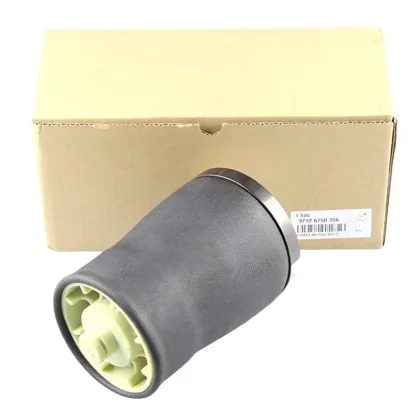
- 37121095579 (left rear) and 37121095580 (right rear) are the rear air springs for the 2000–2006 E53 X5.
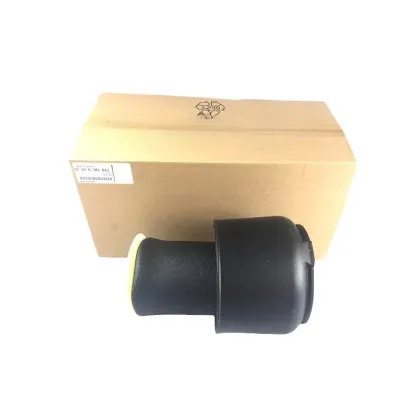
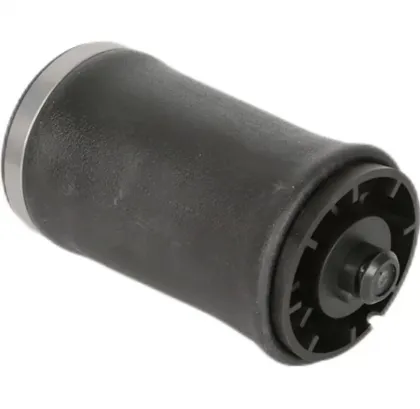
- 37126790079 is a rear spring for the 2007–2013 E70 X5 and E71 X6; confirm the exact number for your side and options by VIN.
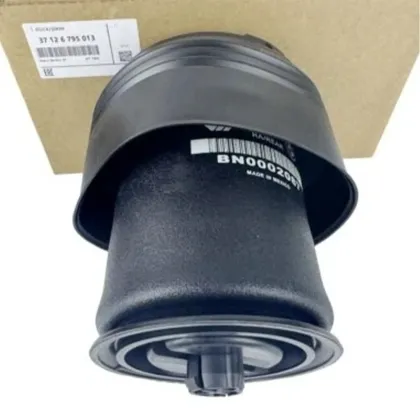
- 37126795013 is a rear spring for the 2014–2018 F15 X5 and F16 X6 with self-leveling rear air suspension.
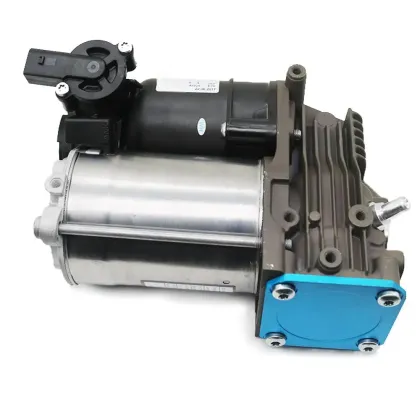
- 37206859714 is the air supply device (compressor with valve unit) for the rear air suspension of the 2007–2013 E70 X5 and 2008–2014 E71 X6.
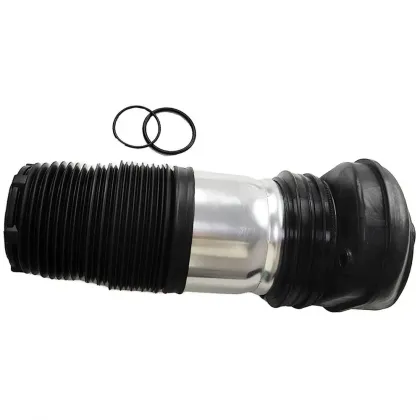
- 37107915953 is the rear left air strut for the 2016–2022 G11/G12 7 Series (the right side is 37107915954). 37106874593 is an earlier number that it replaces.
- 37146860385 is an air suspension control unit for the F01/F02 7 Series (for example 2013–2015 740i); a replacement unit has to be coded to the car.
Browse the full lists under air suspension springs, air suspension and the BMW catalog.
Replacement overview, difficulty and safety
Difficulty: intermediate. A rear spring on an X5 is a doable driveway job for an experienced mechanic. Struts that combine spring and damper are more work, and compressor, valve block or control unit work goes better with a scan tool. Expect one to three hours per corner.
- Work on level ground. Support the car on jack stands, not the jack. A car whose air suspension is deflated can drop suddenly.
- Turn the ignition off and, if your model has one, use the jack mode or transport mode so the system does not try to raise or lower the car while you work.
- Release the system pressure as the procedure directs before loosening fittings, and wear eye protection.
- Replace springs in pairs on the same axle. A new spring next to an old one will leave them with different leak rates and the car sitting unevenly.
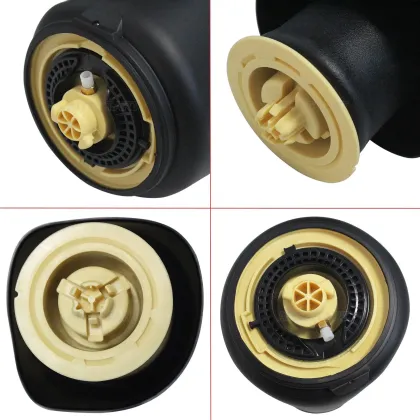
- Fit the bellows without twisting or pinching it, and make sure the line seats fully in its fitting. Lubricate only as the procedure allows.
- Inflate the system with the engine running, check the joints with soapy water, then lower the car and confirm ride height. Some cars need ride-height calibration with diagnostic software.
If the compressor has run constantly for a long time, ask whether to replace its dryer and check the valve block too. Moisture in the lines can ruin new parts.
OEM versus aftermarket: an honest view
Genuine BMW parts and parts from the original suppliers usually have the longest service life, at the highest cost. The parts listed here are aftermarket replacements for the BMW OEM numbers shown, and are not genuine BMW parts. Quality varies in the aftermarket, and air springs are a wear item whatever the brand. If you plan to keep the car long term, weigh the extra cost of premium parts against replacing a bellows again in a few years. Some owners convert to coil springs instead; that is a different repair with its own trade-offs, so ask a specialist before you decide.