BMW Water Pump (Coolant Pump) Failure: Symptoms, Diagnosis and Replacement
What a BMW water pump does
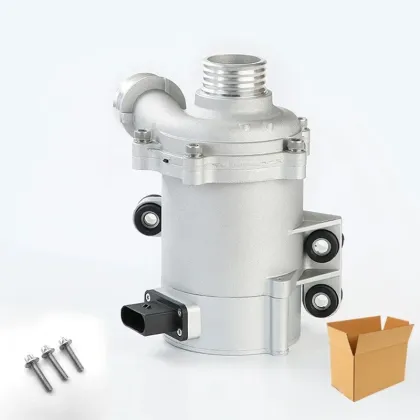
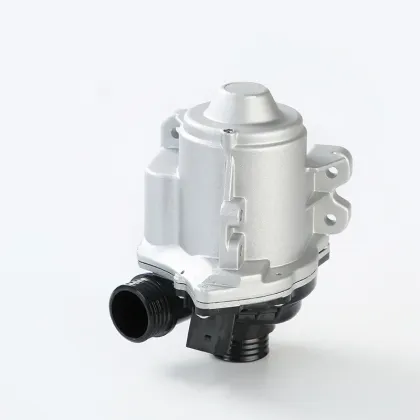
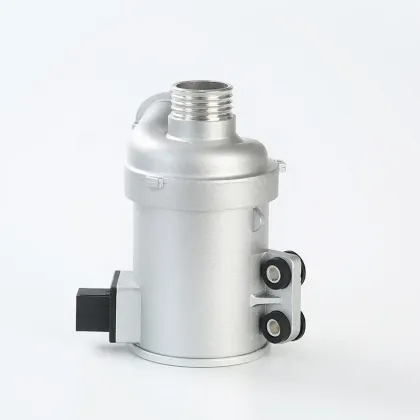
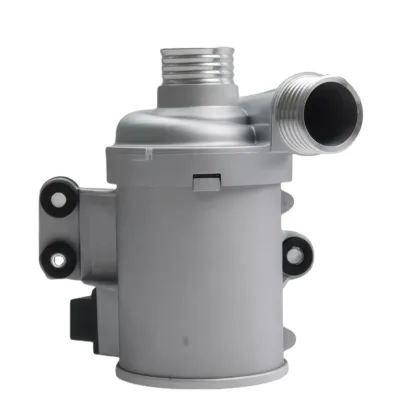
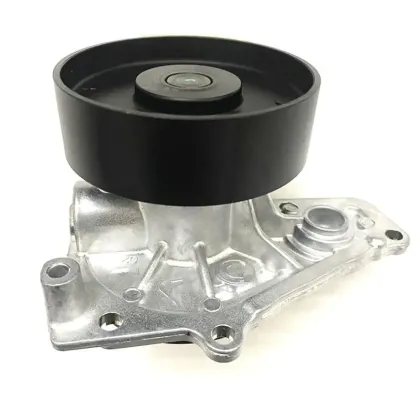
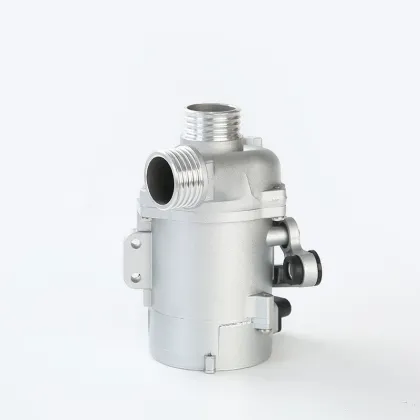
The water pump, which BMW and many catalogs also call the coolant pump, circulates coolant through the engine, radiator and heater core. Without circulation, heat builds up in the cylinder head in minutes. Two designs are common on the BMWs in our catalog. Some engines use a mechanical pump driven by the accessory belt. Others, including the N52, N54 and N55 six-cylinder engines, use an electric pump that the engine computer switches on and speeds up as needed, which on some engines also keeps coolant moving after shutdown.
Both types wear out. Electric pumps have a motor and electronics that can fail without warning. Mechanical pumps have a bearing and seal that can leak or run rough, and some have a plastic impeller that can crack. Both are therefore on the list of parts mechanics expect to replace as a BMW ages.
Symptoms of a failing water pump
- The temperature gauge climbs, or a coolant temperature warning appears, especially in traffic or on hills.
- Coolant loss with no obvious puddle, or crusty white or colored residue and drips near the pump.
- A sweet coolant smell from the engine bay or steam from under the hood.
- A whine, grinding or rattling from the pump, which can change with engine speed on belt-driven pumps.
- Poor cabin heat, because coolant is not circulating through the heater core.
- A fault message or stored code for the coolant pump circuit on cars with an electric pump.
If the engine overheats, stop driving as soon as it is safe. Continued driving on an overheated engine can warp the cylinder head or blow the head gasket, which turns a modest repair into a very expensive one.
How to diagnose it
- Let the engine cool completely before opening anything. The cooling system is pressurized and hot coolant can scald.
- Check the coolant level in the expansion tank, and look for residue or drips around the pump, hoses, thermostat housing and radiator.
- Pressure-test the system with a cooling system tester. A drop in pressure with no visible leak can point to the pump seal or another hidden leak.
- Read the fault memory with a BMW-capable scan tool. Look for coolant pump and thermostat faults, and watch the live data for coolant temperature.
- For electric pumps, check that the pump runs when commanded and that its connector and fuse are sound. For belt-driven pumps, check for play or roughness in the pulley, and for a damaged belt.
- Do not overlook the thermostat. A stuck thermostat causes overheating that looks like pump failure.
Matching the part: OEM number and VIN
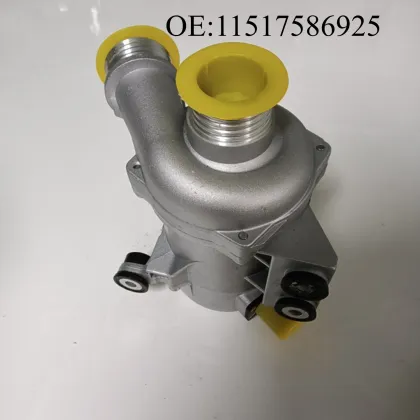
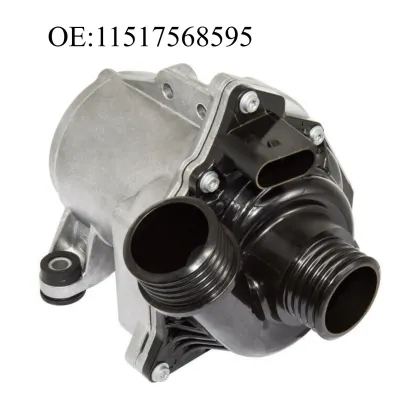
BMW has used many pumps, and one model can have more than one depending on the engine and build date. Compare the number on your old pump to the listing, and verify the OEM number against your VIN in a BMW parts catalog before you order.
- 11519455978 is an electric coolant pump for the N54 and N55 engines (135i, 335i and related models). BMW has since superseded it, so confirm the current number by VIN.
- 11517586925 is an electric water pump for the naturally aspirated N52 six-cylinder, used across 1-, 3- and 5-series, X3, X5 and Z4 models of the late 2000s.
- 11517597715 and 11517604027 are pumps listed for 320i, 328i and 428i models with the four-cylinder N20 engine; check the build date, as versions differ.
- 11518635090 is listed for the 335i and 435i; the number is also used for pump-and-thermostat kits, so read the listing carefully.
- 11517643067 and 11512379782 are pumps for later models; check the product page’s fitment table for your engine.
See all BMW water pumps and the BMW catalog. Each product page has a fitment table with the models, years and engines.
Replacement overview, difficulty and safety
Difficulty: intermediate. An electric pump is often easier to reach than a belt-driven one, but access on tightly packed engines can be awkward. The work includes draining coolant, so allow two to four hours and have drain pans, coolant and the right tools ready.
- Work on a cold engine. Never open the expansion tank cap on a hot system.
- Coolant is toxic and can be harmful to animals. Catch it in a clean pan and dispose of it at a recycling point that accepts it.
- Disconnect the battery before you touch an electric pump connector.
- Replace the thermostat, seals and O-rings at the same time if the procedure and the price make that sensible, because the cooling system is already drained.
- Fill with the coolant type that BMW specifies for your car, mixed to the correct ratio, and bleed the system as the factory procedure directs. Trapped air causes overheating.
- After the job, run the engine to temperature, watch the gauge, check for leaks, and re-check the coolant level when cold.
If the engine overheated, a shop should check for head gasket damage by testing the cooling system for combustion gases before you put the car back into service.
OEM versus aftermarket: an honest view
The cooling system is no place to chase the lowest price blindly. Genuine BMW and original-equipment-supplier pumps usually carry the best durability record. The pumps in our catalog are aftermarket replacements listed against the BMW OEM numbers shown, not genuine BMW parts. They can be a reasonable choice on a higher-mileage car, if you match the OEM number exactly, replace the thermostat and seals, and use the correct coolant. We do not state warranty or stock terms on this page; ask us to confirm them for a given listing before you order.