Mercedes-Benz Fuel Pump Failure: Symptoms, Diagnosis and Replacement
What the fuel pump assembly does
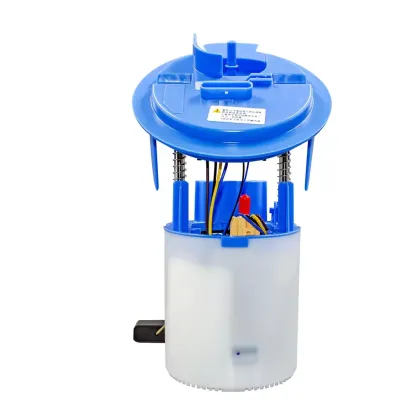
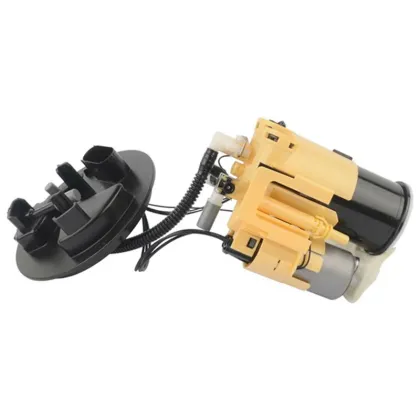
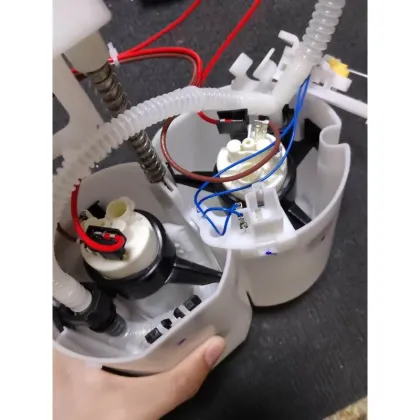
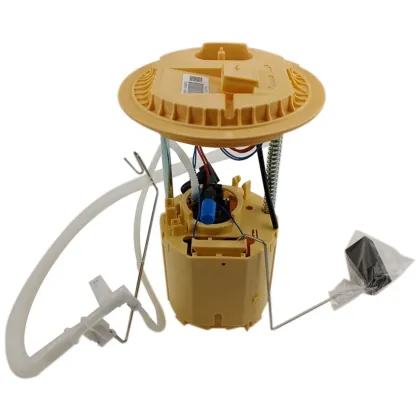
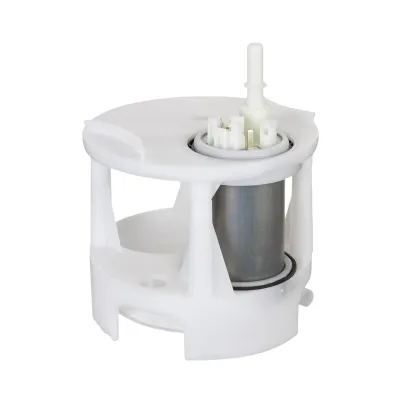
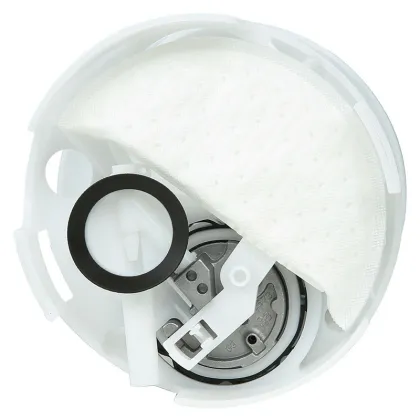
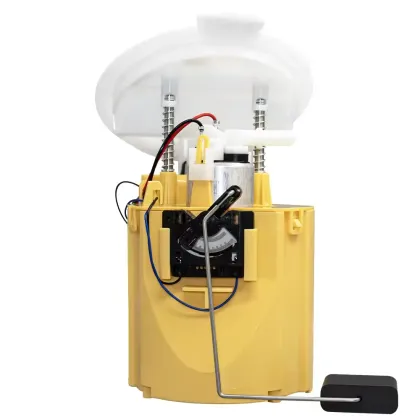
On a Mercedes-Benz the fuel pump sits inside the fuel tank as part of a fuel delivery unit, sometimes called a fuel delivery module or fuel pump assembly. It holds the electric pump, a strainer, the fuel level sender and a small reservoir that keeps the pickup submerged when the tank is low or the car corners hard. The pump pushes fuel to the engine at the pressure the fuel system demands; direct-injection engines then add a high-pressure pump on the engine.
Mercedes has used many versions across models. Gasoline and diesel versions are different, some cars have two tank halves with more than one pump, and some AMG models have an auxiliary pump. That is why the part number matters more than the model name.
Signs the pump is failing
- The engine cranks but does not start, or starts after several tries.
- Stalling or sputtering, particularly at high speed, on hills or with a low fuel level.
- Loss of power under acceleration, with a check engine light.
- A whine or buzz from the rear of the car that is louder than before, or no priming hum when the ignition goes on.
- A fuel gauge that reads wrongly or jumps, since the level sender is part of the same unit.
- Hard hot starts that improve after the engine cools.
A weak pump is only one of the possible causes. A blown fuse, a failed pump relay or control module, a clogged filter, or dirty fuel can behave the same way.
How to diagnose it
- Read the fault memory with a Mercedes-capable scan tool. Generic fuel pressure codes such as P0087 may show up, and the car may store its own codes for the pump circuit or the control module.
- Check the fuel pump fuse and relay. Many Mercedes models also use a separate fuel pump control module, usually in the rear of the car. Moisture or heat can damage it, so test it before replacing the pump.
- Listen for the pump priming for a couple of seconds when the ignition goes on. If you hear nothing, check power and ground at the pump connector.
- Measure fuel pressure against the specification in your repair information, with the engine cranking, idling and loaded.
- Look at what you remove. A dirty tank, rust or debris in the strainer means that a new pump can fail quickly unless the tank is cleaned.
Choosing the right assembly: OEM number and VIN
Mercedes part numbers are normally an A followed by ten digits, and in catalogs the A is often dropped. The part number depends on chassis, engine, fuel type, drive (rear-wheel or 4MATIC) and tank. Please verify the OEM number against your VIN with a Mercedes-Benz parts catalog before ordering.
- 2214704594 and 2214706094 are listed for gasoline 221-chassis S-Class and CL models, and some retailers also list them for the C-Class, E-Class and GLK. Sellers describe 2214704594 as the right-tank unit, so check the side and your VIN.
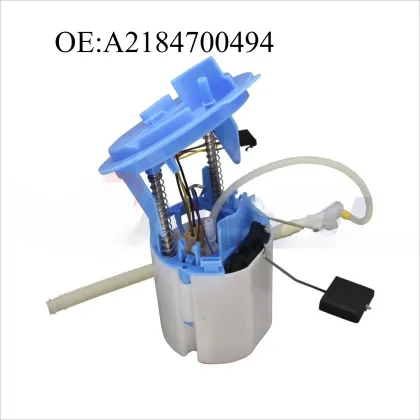
- 2184700094 is listed for gasoline CLS and E-Class models of the 218 and 212 era, and some retailers also list it for the C300, C350 and GLK350, while 2184700494 is a related variant that should be checked against your VIN.
- 2054701594 is listed for the 2015–2023 C-Class (such as the C350e, C400 and C43), the E300 and E43, and the GLC. Retailer year ranges differ, so verify against your VIN.
- 1644700394 and 1664702994 are listed for the ML and GL (320 and 350 versions). Check the engine and fuel type before ordering.
- 2044701094 is an auxiliary pump listed for the C63 AMG.
The fitment table on each product page lists models, years and engines. If your number is not shown, browse all Mercedes-Benz fuel pumps or the Mercedes-Benz catalog.
Replacement overview, difficulty and safety
Difficulty: intermediate. On many sedans the pump is reached through an access cover under the rear seat, which avoids dropping the tank. Some models, such as certain SUVs and coupes, may require more work, so check the procedure for your VIN. Plan two to four hours.
- Work outside or in a well-ventilated area, away from flames, sparks and heaters. Gasoline vapor ignites easily. Keep a fire extinguisher close.
- Disconnect the battery and follow the factory procedure to relieve system pressure.
- Run the tank low beforehand if the car still runs.
- Use the correct lock ring tool, replace the seal or gasket, and make sure the float arm moves freely inside the tank.
- Clean the tank area before you open it, so dirt does not fall in.
- After installing, prime the system a few times with the ignition, check for leaks, then start the car and read fault memory.
Some Mercedes models may need the replacement unit to be adapted or the fuel level calibrated with diagnostic software. Ask before you begin.
OEM versus aftermarket: an honest view
Genuine Mercedes-Benz and original-equipment-supplier assemblies have the most consistent record, at higher prices. The assemblies in our catalog are aftermarket replacements for the Mercedes OEM numbers shown; they are not genuine Mercedes-Benz parts. For a car where the repair has to make economic sense, an aftermarket assembly can be a sensible option, as long as you accept somewhat more uncertainty about durability. Whichever you choose, a precise OEM number match, a clean tank and a new seal make the biggest difference to how long the repair lasts.