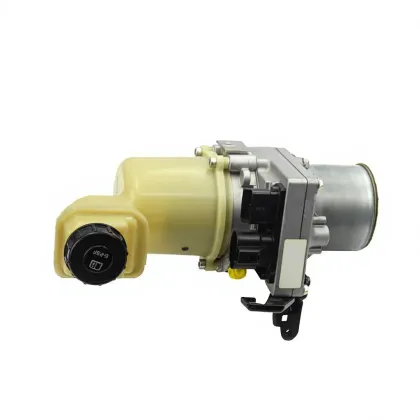
Lexus and INFINITI Power Steering Pump Problems: Whining, Leaks, Heavy Steering and Replacement
What the pump does, and which type you have
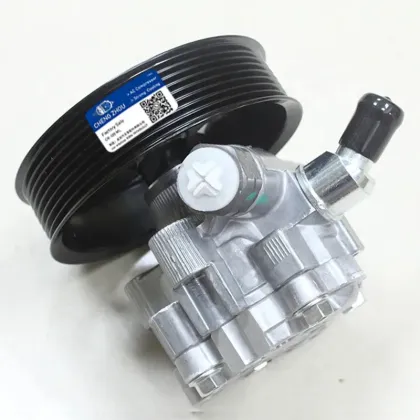
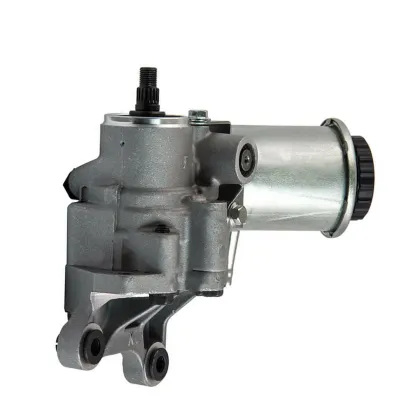
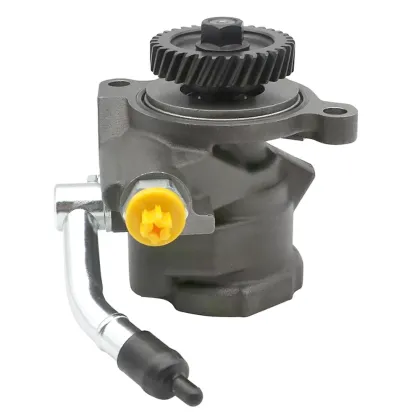
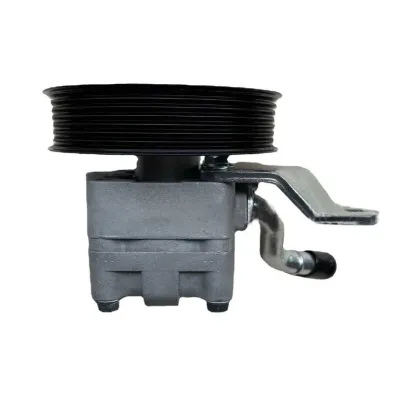
Hydraulic power steering uses a pump to push fluid under pressure to the steering rack or gear, which makes the wheel light at parking speeds. Most of the vehicles in this guide use a conventional pump driven by the engine's accessory belt: the Lexus LX 450, LS 400 and LX 570, and the INFINITI G35, G37, FX and QX70.
The INFINITI JX35 and QX60 are different. Their pump is driven by its own electric motor instead of the belt, but it still pumps hydraulic fluid to the rack. That changes the diagnosis: a fault can be electrical as well as mechanical, and some hum from the motor is normal.
Symptoms of a failing pump
- A whine or groan that rises when you turn the wheel, most noticeable at low speed or when parking, and often worse on a cold start.
- Steering that feels heavy, or that gets lighter and heavier as you turn.
- Fluid on the pump body, the reservoir or the hoses, or drips under the front of the engine.
- Foamy or dark fluid in the reservoir, or a level that keeps dropping.
- On the JX35 and QX60, a sudden loss of assist, possibly with a warning message, if the pump motor or its supply fails.
A squeal when you turn the wheel is more often the belt slipping than the pump. A whine together with a low reservoir usually means a leak has let air into the system, and the pump is complaining about it.
How to diagnose it
- Work safely. Let the engine cool before you touch the pump or hoses, because the fluid gets hot. Keep hands, sleeves and tools away from the belt with the engine running.
- Check the fluid level and condition with the engine off, using the fluid type in your owner's manual. If it is low, find out where it went before you add more.
- Find the leak. Clean the area, run the engine, turn the wheel lock to lock a few times and look again. Leaks often come from hose connections, the reservoir seal or the rack rather than the pump. On the LS 400, owners often trace leaks to O-rings at the reservoir and pump, and the fluid runs down onto the alternator mounted below. On the LX 570, owners also report leaks from the steering gear.
- Inspect the belt and tensioner on belt-driven pumps. A glazed belt or a weak tensioner can cause noise and poor assist.
- Bleed air out of the system by the factory procedure and listen again. If the pump still whines with a full, clean, air-free system, or the steering stays heavy, the pump is the likely cause.
- On the JX35 and QX60, read codes with a scan tool and check the pump's fuse, power and ground before condemning the pump.
Matching the pump: OEM number and VIN
Lexus pump numbers start with 44310 or 44320, and INFINITI pump numbers start with 49110. Some models have different pumps for different trims or options, so compare the number on your old pump or check your VIN in a parts catalog before ordering.
- 4432060182 (44320-60182): Lexus LX 450 (1996–1998, 4.5 L six). Several closely related numbers exist for this pump, so match yours.
- 4432050030 (44320-50030): Lexus LS 400 (1997–2000, 4.0 L V8).
- 4431060490 (44310-60490): Lexus LX 570 (2008–2016, 5.7 L V8).
- 49110JK200 and 491101CB0B: INFINITI G35 (2007–2008), G37 (2008), FX35 (2009–2012), FX37 (2013), FX50 (2009–2013) and QX70 (2014–2017). Some G-series versions, such as Sport models and cars with four-wheel active steer, can use a different pump.
- 491103KA5A (49110-3KA5A): electric power steering pump for the INFINITI JX35 (2013) and QX60 (2014–2020) with the 3.5 L V6.
Fitment tables on each product page list models, years and engines. You can also browse all power steering pumps, the Lexus catalog or the INFINITI catalog.
Replacement overview, difficulty and safety
Difficulty: intermediate on most belt-driven models. Access varies a lot between a V8 LX and a V6 G35, so check the procedure for your engine before you start.
- Work on a cool engine and disconnect the battery, especially on the JX35 and QX60, where the pump has its own electrical supply.
- Remove as much fluid as you can from the reservoir first, and keep a drain pan and rags ready.
- On the LS 400, cover the alternator before you open any line so fluid does not run into it.
- Check whether your new pump comes with a pulley and reservoir, and transfer parts from the old pump if needed. Use new O-rings and sealing washers on the lines.
- Note or photograph the belt routing before you remove the belt.
- Fill with the fluid your manual specifies. Using the wrong fluid can damage seals. Bleed the system by the factory procedure, then check the level again and look for leaks after a test drive.
- If the old fluid was dark or full of debris, flush the system so the new pump does not run on contaminated fluid.
Repair or replace?
If the leak is a hose, a fitting or a reservoir O-ring, fix that and keep the pump. A pump that has run low on fluid for a long time may stay noisy even after you top it up, and a leaking shaft seal usually means replacing the pump. On high-mileage vehicles, replace the belt at the same time if it shows wear.
The pumps in our catalog are aftermarket replacements for the Lexus and INFINITI numbers shown, not genuine parts. Matching the number exactly and bleeding the system properly matter most.