Lexus Brake Booster Pump Failure (GX 470, GX 460, LX 570): Symptoms, Diagnosis and Replacement
How the hydraulic brake booster works
Most cars use engine vacuum to boost brake pedal force. The Lexus GX 470, GX 460 and LX 570, and older models such as the GS 300, GS 400, GS 430 and SC 430, use a hydraulic brake booster instead. An electric pump motor charges a gas-filled accumulator to high pressure. Pressure switches or a pressure sensor tell the skid control ECU when to run the pump, and the stored pressure supplies power assist as well as the ABS, traction control, VSC and brake assist functions.
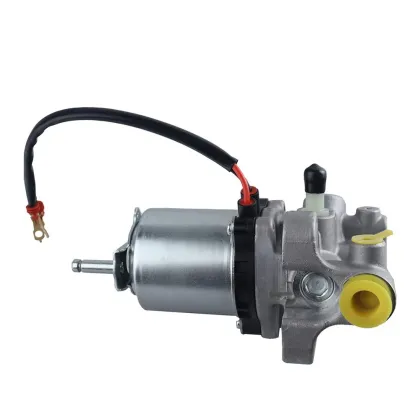
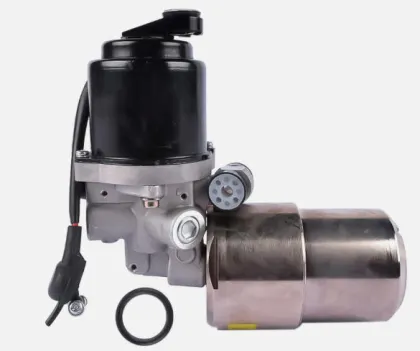
When everything is healthy, the pump runs for a few seconds after you switch the ignition on and then briefly after heavy or repeated braking. Lexus calls the part a brake booster pump assembly. On the GX it is sold with or without the accumulator, depending on the part number. The CT 200h and NX use a different, more compact brake booster pump, so follow the diagnostic procedure for your exact model.
Symptoms of a failing pump or accumulator
- BRAKE, ABS and VSC warning lights come on together, sometimes with a TRAC OFF or slip indicator.
- The pump runs much longer than it used to, or cycles every few seconds with the vehicle sitting still. You may feel it pulse through the pedal.
- The pedal gets harder and needs more effort, especially after several stops in a row.
- The pump is silent when you switch the ignition on and the warning lights stay on.
- A grinding or loud buzzing noise from the pump area.
- Brake fluid around the booster, or a reservoir level that keeps dropping.
A pump that runs all the time is often a symptom rather than the cause. If the accumulator has lost its gas charge, or the booster and master cylinder assembly leaks internally, the pump keeps running to make up the pressure and wears out sooner.
How to diagnose it
- Put safety first. With these lights on, power assist and ABS may be reduced or disabled, so the pedal can need far more force. Drive gently to a shop or have the vehicle towed. The accumulator holds high pressure even with the engine off, so never open a brake line before it has been depressurized.
- Check the brake fluid level and look for leaks at the reservoir, booster, pump and lines. Test the battery too, because low system voltage can set brake system codes on its own.
- Read the codes with a scan tool that reads the Lexus ABS/VSC system, such as Techstream or an equivalent. On these hydraulic boosters Toyota uses codes such as C1253 (pump motor relay circuit), C1254 (pressure switch) and C1256 (accumulator low pressure), and some systems add C1252 for a pump motor that runs too long. The exact codes vary by model and year.
- Check the pump motor relays and fuses and the pump connector before buying a pump. A failed relay or a burnt terminal can stop a good motor.
- Watch how the pump behaves. With the ignition on and no braking, it should charge and stop. If it restarts every few seconds without the pedal being touched, pressure is bleeding off. Live data for the accumulator pressure sensor or switch helps confirm this.
- Decide what has actually failed. Owners on GX 470 forums report cases where a new motor alone did not stop the cycling because the accumulator or the booster was losing pressure.
Matching the pump: OEM number and VIN
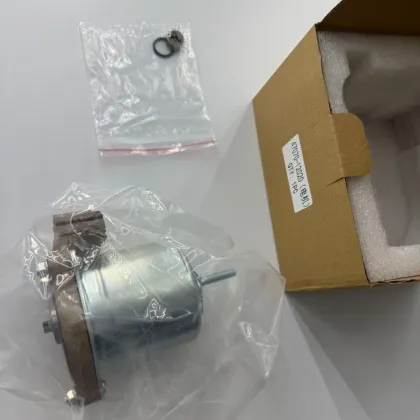
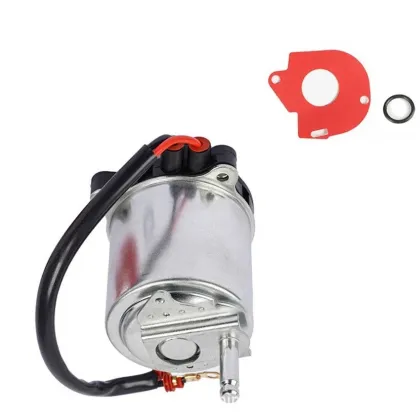
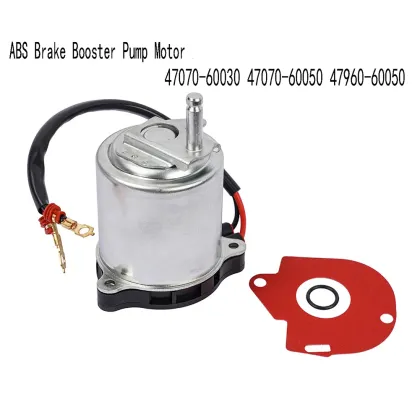
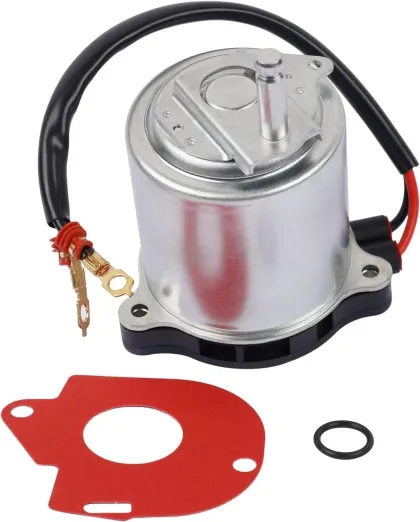
Lexus catalogs show several pump numbers for the same vehicles. On the GX there are two families: "Pump Assy, Brake Booster W/Accumulator" (47070 numbers) and "Pump Assy, Brake Booster" (47960 numbers). Dealer catalogs list the 47960 pump with a note for the pre-collision system with millimeter-wave radar, so your vehicle's equipment matters as much as its year. Read the number on your old pump and confirm it against your VIN in a Lexus parts catalog.
- 4707060050 (47070-60050): pump with accumulator, listed for the GX 460 (2010–2023) and GX 470 (2004–2009). Lexus lists it as the replacement for 47070-60030.
- 4707060030: the earlier number for the GX 470 pump with accumulator (2004–2009).
- 4796060050 (47960-60050): brake booster pump listed for the GX 460 (2010–2023), GX 470 (2004–2009) and LX 570 (2008–2021). Lexus lists it as the replacement for 47960-60090.
- 4796060090: the earlier 47960 number, listed for the GX 470 (2004–2009) and LX 570 (2008–2010).
- 4707030060: pump with accumulator for the GS 300 (1998–2005), GS 400 (1998–2000), GS 430 (2001–2005), SC 430 (2002–2010) and early GX 470 (2003–2004).
- 4707012020: brake booster pump for the CT 200h (2011–2017), NX 200t (2015–2017), NX 300 (2018–2021) and NX 300h (2015–2021).
Each product page shows its fitment table. You can also browse all brake booster pumps or the Lexus catalog.
Replacement overview, difficulty and safety
Difficulty: intermediate to advanced. The work itself is mostly unbolting and reconnecting, but it involves stored hydraulic pressure and bleeding a brake system that has ABS and stability control. If you are not comfortable with that, have a shop do it.
- Depressurize the accumulator first. The GX 470 factory manual says to switch the ignition off and press the brake pedal 20 times or more. Some Toyota procedures call for 40 or more, so follow the one for your vehicle. Wear eye protection.
- Disconnect the battery before you unplug the pump connector.
- Cap open lines and ports to keep dirt out, and wipe up spilled brake fluid quickly because it damages paint.
- Refill with the brake fluid type your manual specifies and bleed by the factory procedure. After installation, the GX 470 manual has you check that the pump runs for a short time and then stops on its own.
- Clear the codes, check that the warning lights go out and the pump cycles normally, then test the brakes at low speed before driving in traffic.
Pump, accumulator or booster: what to replace
Replacing the pump makes sense when the motor, the pump or the accumulator has failed, which is what the codes and the pump's behavior usually point to. If the tests show an internal leak in the booster and master cylinder assembly, a new pump will keep cycling. That assembly is a separate part and costs considerably more. When the old accumulator has lost its charge, a pump that comes with its own accumulator avoids pairing a new motor with a tired accumulator.
The pumps in our catalog are aftermarket replacements for the Lexus numbers shown, not genuine Lexus parts. An exact number match and a careful bleed matter more to the result than anything else.