BMW Vacuum Pump Failure: Hard Brake Pedal, Oil Leaks and Replacement
What the vacuum pump does
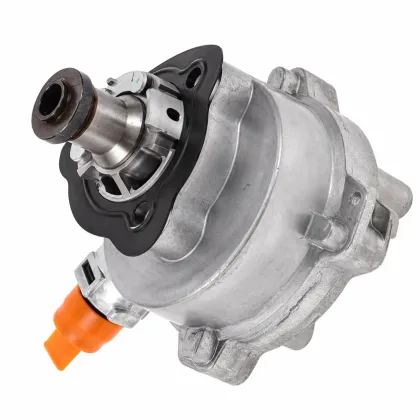
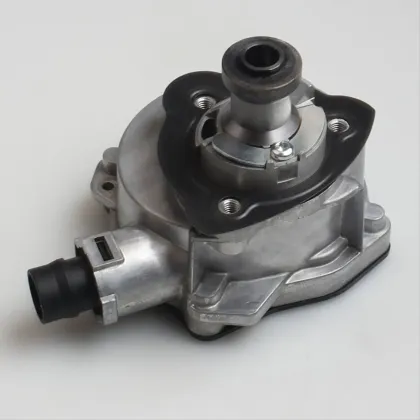
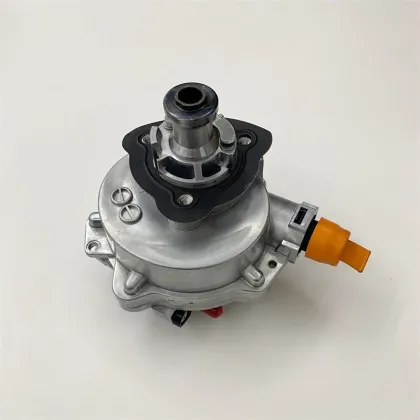
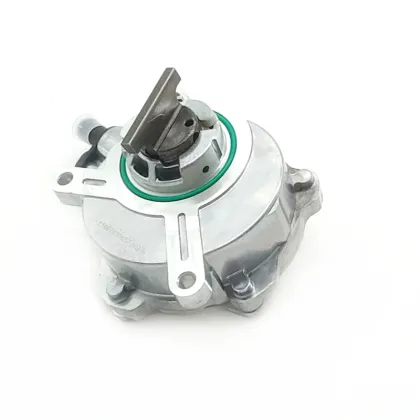
The brake booster uses vacuum to multiply the force of your foot on the pedal. On older gasoline engines the intake manifold supplied that vacuum for free. Modern engines that control power with variable valve lift, direct injection and turbocharging produce much less manifold vacuum, and diesels produce none at all, so many BMWs have a dedicated engine-driven vacuum pump. It is a small pump, driven by a camshaft or by a hub on the timing chain cover depending on the engine, and it is lubricated by engine oil.
A weak pump does not take your brakes away. The hydraulic system still works. What you lose is the power assist, so the pedal becomes much harder to press and stopping needs far more effort. That makes the pump a safety item, even though it is a small part.
Symptoms of a failing vacuum pump
- A hard brake pedal, especially after the engine has been running for a while or when pressing the pedal several times.
- A hissing or sucking noise from the engine bay or near the brake pedal.
- Engine oil leaking at the pump, which can look like a leaking valve cover or rear cylinder head seal because pumps are oil-lubricated and sealed with a gasket or O-ring.
- A rattling, whining or grinding noise from the pump area as internal parts wear.
- Rough idle or stalling if a leaking pump or brake booster line lets air into the system.
- A brake system warning message or a stored fault for brake booster pressure on cars that monitor it.
If the pedal turns hard and the car feels unsafe to stop, do not keep driving. Have it checked.
How to diagnose it
- Do the quick pedal test. With the engine off, press the brake pedal four or five times until it is firm. Hold it down and start the engine. The pedal should sink slightly as vacuum builds. If it stays hard, vacuum assist is missing.
- Inspect the booster hose and check valve. A cracked hose or a faulty check valve is cheaper than a pump.
- Look for oil seepage around the pump and the cylinder head. Wipe it clean and check again after a short drive.
- Measure vacuum with a vacuum gauge on the booster line, with the engine at idle, and compare it with the specification in your repair information.
- Read the fault memory. Some vehicles set codes for brake booster pressure, such as P0556 or related codes, but the codes available differ by model and engine.
If the pump is making noise but vacuum is normal, a shop can listen with a stethoscope to confirm where it is coming from.
Choosing the right pump: OEM number and VIN
BMW fits different pumps to different engine families, and gasoline and diesel versions are not interchangeable. Verify the OEM number against your VIN in a BMW parts catalog before you order, and compare it with the number on your pump if it is legible.
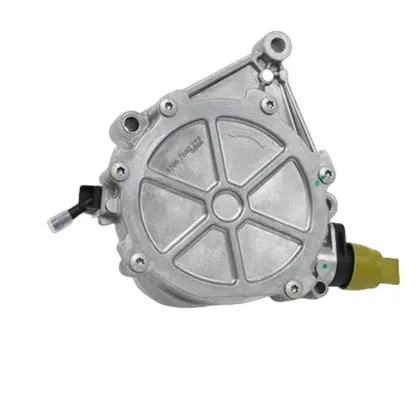
- 11667519458 is the N54 pump (135i, 335i, 535i and related models), mounted low on the timing chain cover. 11667619350 is an N55 pump listed for early N55 cars (135i, 335i, 535i); later N55 cars use a newer superseding number, so match by VIN.
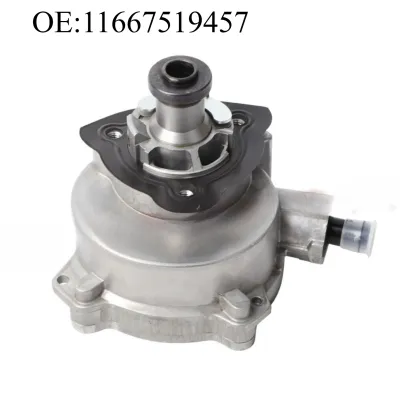
- 11667519457 is the pump for the early N52 six-cylinder (2006–2008 era 3-series, 5-series and Z4), and 11667558344 is the N51/N52 pump used on 1-, 3-, 5-series, X3, X5 and Z4 models into the early 2010s. Fitment differs by build date, so check the VIN.
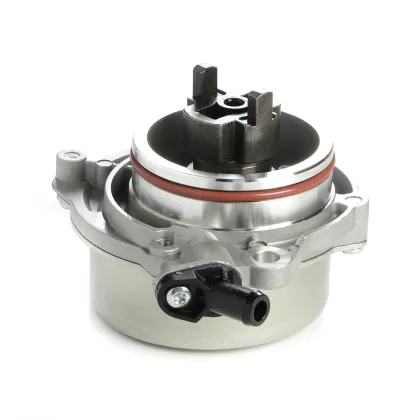
- 11667640279 is the pump for the N20/N26 four-cylinder (320i, 328i, 528i, X1, X3 and Z4 models). It is camshaft-driven, sits at the rear of the cylinder head, and also supplies vacuum for the turbo wastegate actuator, so a failing one can affect boost as well as the brakes.
- 11667791232 is listed for BMW diesel models; check the fitment table for your engine.
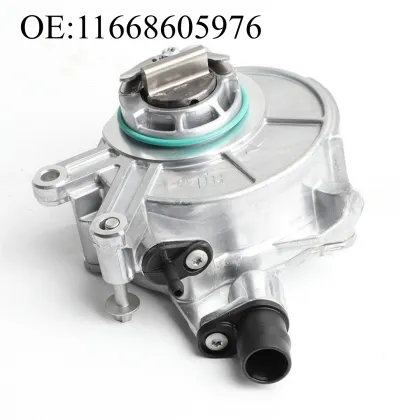
- 11667635657 and 11668605976 are listed for V8 models; check the fitment table for your engine.
Browse all BMW vacuum pumps or the BMW catalog.
Replacement overview, difficulty and safety
Difficulty: intermediate. On many engines the pump bolts to the back or side of the cylinder head and comes off with a few fasteners, but the surrounding parts can be in the way. Because it is lubricated by engine oil, the job is messy. Plan one to three hours.
- Work with a cold engine, the car on level ground and the wheels chocked.
- Disconnect the battery. Wear gloves and eye protection, since oil and hot parts are involved.
- Note the position of the vacuum hose and check valve. Replace a hardened or cracked hose, and replace the check valve if it does not hold vacuum.
- Fit the new gasket or O-ring supplied with the pump, clean the mating face and torque the bolts to specification.
- Check the engine oil level after the job. Pump oil seals can leak down quickly if fitted dry or damaged.
- Before driving, repeat the pedal test in a safe place, and test the brakes gently at low speed.
Never drive the car in traffic with a hard pedal. If the brakes feel unusual after the work, stop and recheck.
OEM versus aftermarket: an honest view
Genuine BMW pumps and pumps from the original suppliers usually last the longest and fit with the least fuss. The pumps in our catalog are aftermarket replacements for the BMW OEM numbers shown and are not genuine BMW parts. For a brake-related part, buy carefully: match the OEM number exactly, use the gasket or seal in the box, and refuse a pump that arrives damaged. A used or low-cost part is a poor place to save money if it fails in a way that affects braking. Ask us to confirm availability and terms before you order, since listings are pre-order.