BMW Power Steering Pump Failure: Whining, Heavy Steering and Replacement
What the pump does, and which BMWs have one
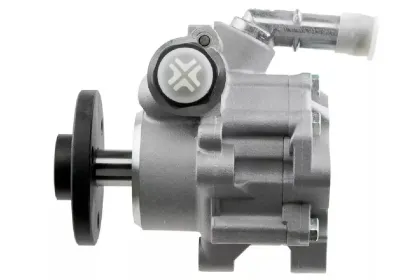
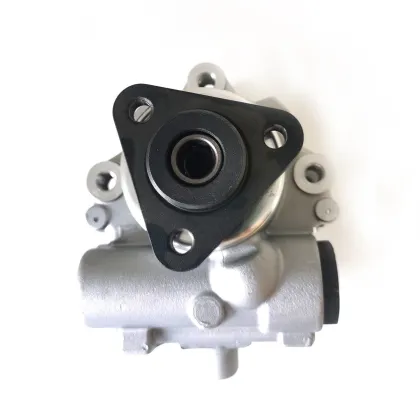
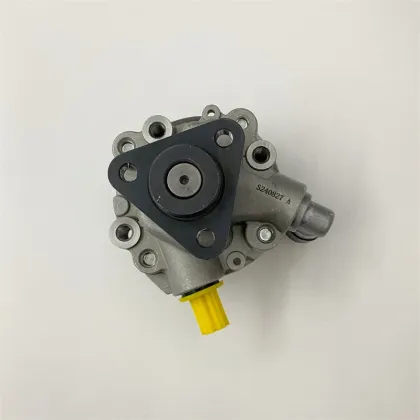
Hydraulic power steering uses a pump, driven by the engine’s accessory belt, to push fluid through a rack or gearbox that assists your steering effort. A steel or aluminum body holds a rotor with vanes that pump the fluid, and a reservoir feeds it. If the pump weakens, leaks or draws in air, steering becomes noisy and heavy.
Many newer BMWs use electric power steering with no pump at all, so first check what your car has. Hydraulic pumps are used on models such as the E46 3-series, the E90 generation 3-series and E82/E88 1-series, and the E53 X5. If your car has an electrically assisted rack, this guide does not apply.
Symptoms of a failing pump
- A whine, groan or squeal that rises when you turn the wheel and rises with engine speed.
- Steering that feels heavy, especially at low speed, when parking, or on a cold start.
- Steering that is inconsistent, jerky or that tightens and loosens as you turn.
- Foamy or dark fluid in the reservoir, or a reservoir that keeps running low.
- Fluid leaking from the pump shaft seal, the pump body or the hoses, often seen as wetness and dirt on the front of the engine.
- A burning smell, if fluid reaches hot exhaust parts, or a belt that squeals because the pump is binding.
Heavy steering is a safety concern. If the pump seizes, you still can steer, but with much more effort, which can be dangerous at low speed or in an emergency.
How to diagnose it
- Check the fluid. Look at the level and color. Low or foamy fluid points to a leak or air in the system. Dark fluid with metal particles suggests internal wear.
- Find the leak. Wipe the area clean, run the engine, turn the wheel lock to lock and watch hoses, the pump shaft, the rack ends and the reservoir for fresh fluid.
- Listen. A whine that appears only when turning and stops when the wheel is centered often means low fluid or a weak pump. A constant whine can mean the pump, the belt or a pulley.
- Check the belt and pulley. A worn belt or tensioner can slip and mimic a failing pump.
- Have the system pressure tested if you are unsure. A shop can connect a gauge between the pump and the rack and measure the pressure that the pump can build.
Replacing the pump without finding the leak or flushing contaminated fluid is a common reason for repeat failures.
Matching the part: OEM number and VIN
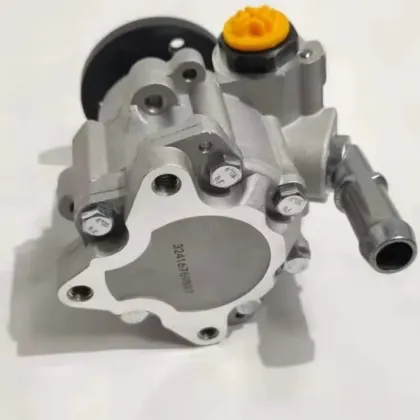
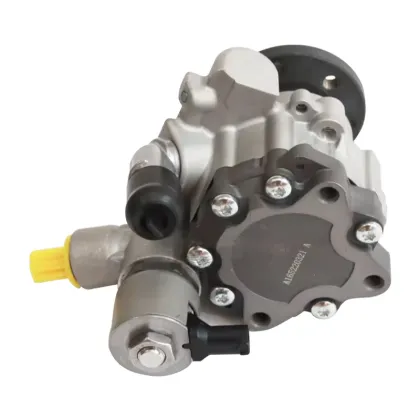
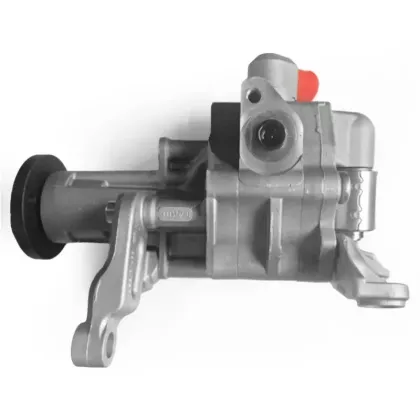
BMW fitted different pumps to the same model depending on engine, steering system and options. Verify the OEM number against your VIN with a BMW parts catalog before you order, and compare it with the number on your pump if it is legible. Some examples of widely listed OEM numbers:
- 32416760034 is a vane pump listed for E46 325i, 325Ci, 330i and 330Ci models built from about 09/2002; earlier E46 pumps use different numbers (for example 32416760036), so check your build date.
- 32416769887 is the non-turbo pump for N51/N52 cars: 2006–2013 E90-series 325i, 328i and 330i and the E82 128i. It is for cars without Active Steering.
- 32416779244 is for the N54/N55 135i and 335i without Active Steering, and 32416779245 is for the same cars with Active Steering (RWD).
- 32416757914 is listed for the E53 X5 3.0i (M54). The V8 X5 uses a different pump, for example 32416757913.
- 32416796458 is listed by BMW as an X5 power steering pump; confirm engine and model year by VIN.
The two 135i and 335i numbers differ by whether the car has Active Steering (option S217A), so use your VIN to choose. Browse all BMW power steering pumps and the BMW catalog.
Replacement overview, difficulty and safety
Difficulty: intermediate. The pump sits at the front of the engine behind the belt, and getting to it can mean removing the belt, a pulley or other parts. Expect two to three hours, plus time to bleed the system.
- Work on a cold engine, support the car safely and wear eye protection and gloves.
- Disconnect the battery, release the belt tension and remove the belt. Photograph its routing first.
- Catch the fluid. Place a pan under the pump and lines, and dispose of old fluid properly.
- Replace the pressure hose seals or O-rings, and clean the line ends. Inspect the hoses and reservoir for debris and deterioration.
- Use the fluid BMW specifies for your car. Many BMW hydraulic systems call for a specific synthetic power steering fluid, so check your owner’s manual and do not simply use any fluid.
- Refill and bleed the system. With the front wheels off the ground or the car stationary, turn the wheel lock to lock slowly with the engine off, topping up as the level falls, then start the engine and repeat. Air in the system causes noise and early failure.
- Check for leaks, recheck the level once the engine is warm, and test the steering at low speed before driving normally.
If the old pump failed with metal debris in the fluid, flush the system and replace the filter in the reservoir if it has one, so the new pump does not wear out quickly.
OEM versus aftermarket: an honest view
Genuine BMW pumps and pumps from the original supplier tend to be quieter and last longer, at a higher price. The pumps listed here are aftermarket replacements for the BMW OEM numbers shown, not genuine BMW parts. A well-made aftermarket pump can be a fair choice if you match the OEM number exactly. Be wary of unusually cheap pumps, which tend to whine early or leak at the shaft seal. Some listings are exchange (remanufactured) units that may require returning your old pump as a core.