Audi Fuel Pump Failure (Q5, Q7, A8, Q3, A3, RS3 and More): Symptoms, Diagnosis and Replacement
What the low-pressure fuel pump does on these Audis
Every Audi in this guide has an electric pump at the tank that sends fuel toward the engine at modest pressure. On the direct-injection TFSI and FSI engines, a cam-driven pump on the engine then raises that fuel to injection pressure, and on the TDI diesels the in-tank or booster pump feeds the high-pressure injection pump. If the supply side gets weak, the high-pressure side starves, so the two failures can look alike. Our Audi high-pressure fuel pump guide covers the engine-mounted pump, and the Audi A4 fuel pump guide covers the B7 and B8 A4.
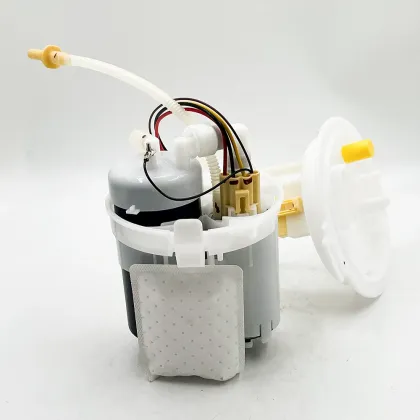
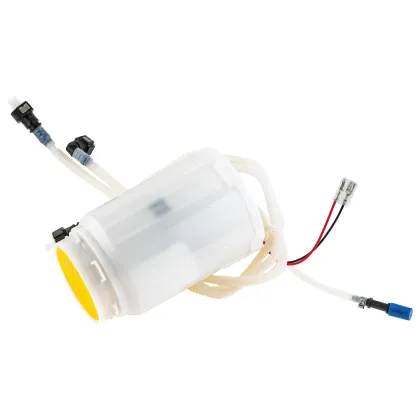
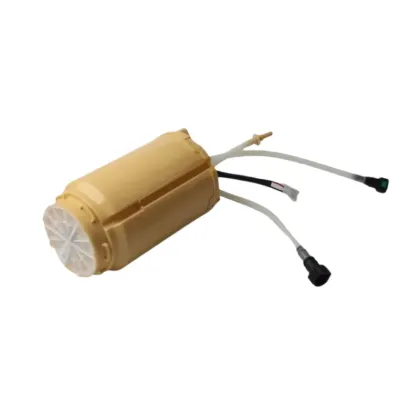
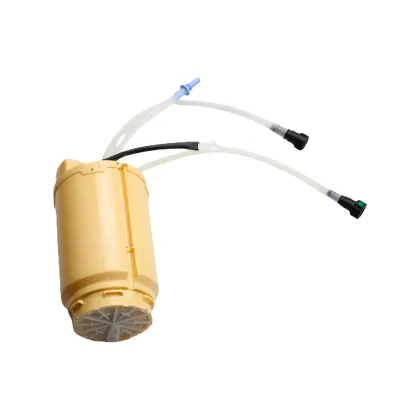
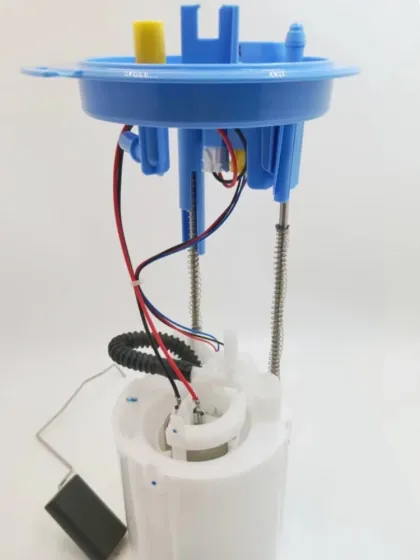
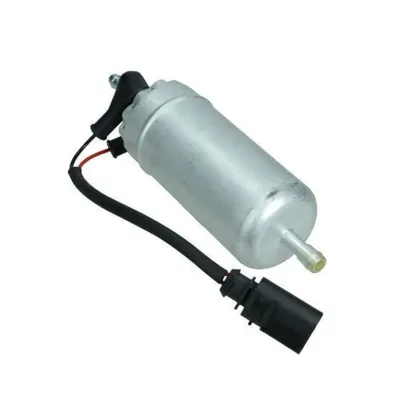
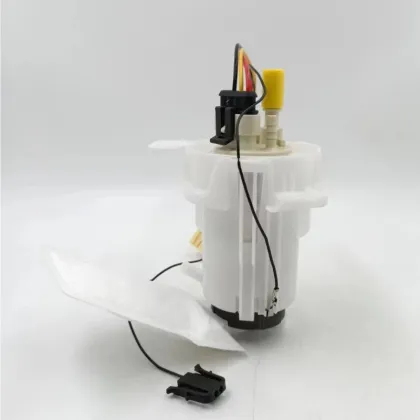
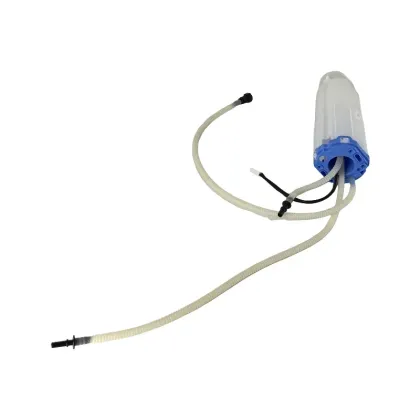
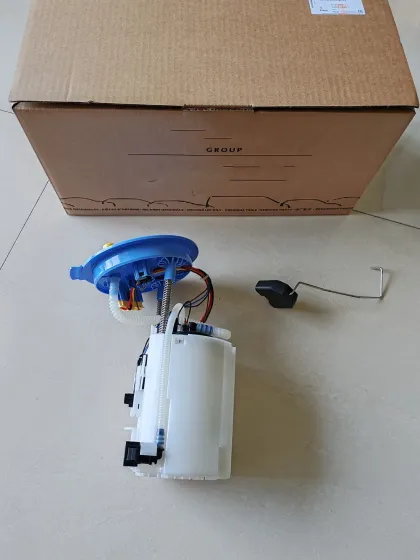
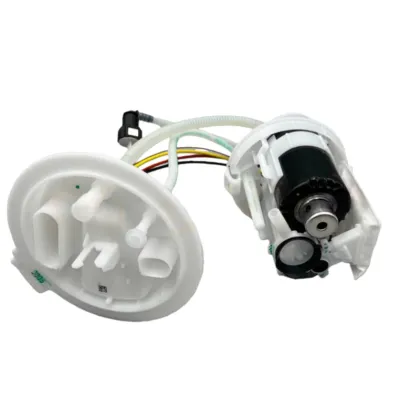
Most of the parts below are complete modules, also called fuel delivery units: the pump, a strainer, a small reservoir and the fuel level sender, held in the tank by a lock ring and sealed with a gasket. A few numbers are different. One A8 number is the electric pump itself, and the A3 TDI number is an inline booster pump on the fuel line, not a tank module. The D3 A8 and the first-generation Q7 have a saddle-shaped tank with a unit on each side, and the left and right units carry different numbers and are not interchangeable.
Symptoms of a weak or failing pump
- Long cranking or a no-start while the starter turns the engine normally.
- Hesitation, surging or a loss of power under hard acceleration, on hills or when towing, when the engine needs the most fuel.
- Stalling, sometimes only with a low fuel level or in hot weather.
- A pump whine from under the rear seat area that is louder than before, or no priming hum at all when you switch the ignition on.
- A fuel gauge that reads wrong, jumps or drops suddenly, because the level sender is part of the module.
- A check engine light with a low fuel pressure or fuel pump control code.
A clogged filter, a failing high-pressure pump, a bad fuel pump control module or wiring faults cause the same complaints, so test before you buy parts.
How to diagnose it
- Work safely from the start: no smoking or sparks, good ventilation, and a fire extinguisher nearby. Fuel lines can hold pressure even with the engine off.
- Read the fault memory with an Audi-capable scan tool. A generic code such as P0087 (fuel rail or system pressure too low) can come from either pump, so look at the low-pressure values in live data and at any fuel pump control faults.
- Switch the ignition on and listen for the pump priming. Silence points to a fuse, the wiring, the fuel pump control module (many of these Audis use a separate control unit for the pump) or a dead pump.
- Check the fuse and the connectors at the access cover before you condemn the pump. Corroded or burnt pins are common and cheaper to fix.
- Compare the low-pressure supply, from live data or a gauge, with the specification in your repair information, at idle and under load. Pressure that sags under load suggests a weak pump or a blocked strainer or filter.
- If the gauge misbehaves, test the sender reading in live data. On saddle-tank cars, each side has its own sender.
- On the TDI models, also check the diesel fuel filter and look for air leaks at the lines, which give similar starting trouble.
Matching the part: OEM number and VIN
Audi uses many fuel pump numbers, and one model can use different parts by engine, fuel type, drive and build date. Read the number on your old unit and check it against your VIN in an Audi parts catalog before you order. The numbers we list, most common models first:
- 80A919087 (80A 919 087) is the in-tank module listed for the 2018–2024 Q5, the Q5 Sportback and the 2018–2025 SQ5 and SQ5 Sportback. Later suffixes exist, so a different letter on your old unit is normal.
- 7L8919087B is the right-side (passenger-side) module of the first-generation Q7, listed with the 3.0 L, 3.6 L and 4.2 L engines. The left side uses a different number.
- 7P6919088B is the in-tank module listed for the 2010–2015 Q7 TDI with the 3.0 L diesel, and 7L6919088F is the earlier unit listed for the 2009–2010 Q7 TDI.
- 5N0919087H is the module listed for the 2015 Q3 and Q3 quattro with the 2.0 L turbo.
- 5N0906129B is the inline booster pump listed for the 2010–2013 A3 2.0 TDI. It is not for the gasoline A3.
- 4H0906089 (also sold as 4H0906089A) is the electric fuel pump listed for the 2011–2018 A8 and the 2013–2018 S8 (D4).
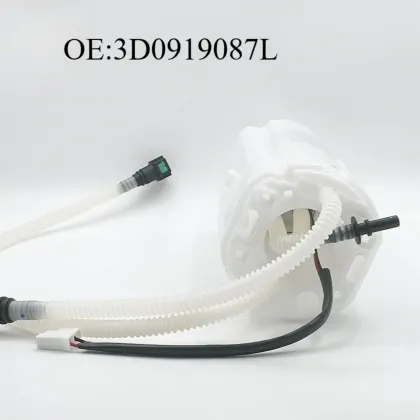
- 3D0919087L (right side) and 3D0919087N (left side) are the two modules listed for the 2004–2009 A8 with the 4.2 L V8 or 6.0 L W12 and the 2007–2008 S8 (D3).
- 8V0919087B is the in-tank module listed for the 2017–2020 RS3 and the 2018–2022 TT RS with the 2.5 L five-cylinder. It supersedes 8V0919087A.
- 4N0919088 is the module listed for the 2019 RS5 Sportback with the 2.9 L twin-turbo V6.
Each product page has a fitment table. See all fuel pumps or the Audi catalog if your number is not here.
Replacement overview, difficulty and safety
Difficulty: intermediate. On many of these cars the module is reached through an access cover under the rear seat, so the tank stays in place, but layouts differ, and the inline A3 TDI pump is reached from under the car. Check the procedure for your VIN before you start.
- Gasoline vapor is explosive. Work outdoors or in a well-ventilated space, away from sparks, flames and heaters. Diesel is less volatile but still flammable.
- Disconnect the battery, relieve the fuel pressure as the repair information directs, and keep rags and a sealed container ready.
- Run the tank low beforehand if the car still drives. A module lifted out of a full tank spills fuel.
- Release the plastic lock ring with the proper tool. Do not hammer on it with steel tools.
- Fit a new seal, keep dirt out of the tank and make sure the float arm is not bent as the module goes in.
- On the TDI models, prime and bleed the fuel system as Audi specifies. Air in a diesel system causes the same no-start you are trying to fix.
- Before you refit the seat, switch the ignition on, check for leaks at the flange and lines, and confirm that the gauge reads sensibly.
Saddle tanks, control modules and aftermarket parts
On the D3 A8 and the first-generation Q7, the two units age together. Replacing only the side that failed is common, but inspect the other one while the seat is out. If the pump does not run at all, rule out the fuel pump control module and its wiring first, because a new pump will not fix a control fault.
The parts we list are aftermarket replacements matched to the Audi OEM numbers shown, not genuine Audi parts. Match the number exactly and fit a new seal and lock ring. We do not state warranty or stock terms on this page; ask us to confirm them for a listing before you order.