Audi A4 Fuel Pump Replacement (B7 and B8): Symptoms, Part Numbers and Steps
What the in-tank fuel pump does on an A4
Audi’s gasoline A4 uses a two-stage fuel system. The pump inside the tank pushes fuel forward at modest pressure. On the turbocharged and direct-injection engines, a separate high-pressure pump on the engine then raises it to injection pressure; our guide to the Audi high-pressure fuel pump covers that part. If the in-tank pump is weak, the high-pressure pump starves and the engine runs poorly.
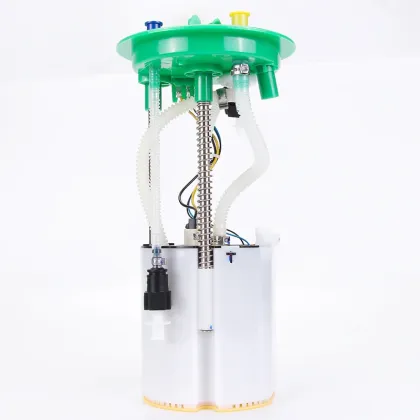
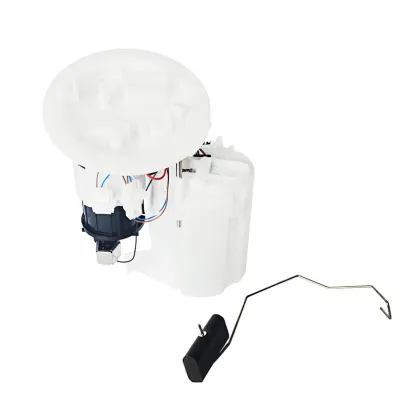
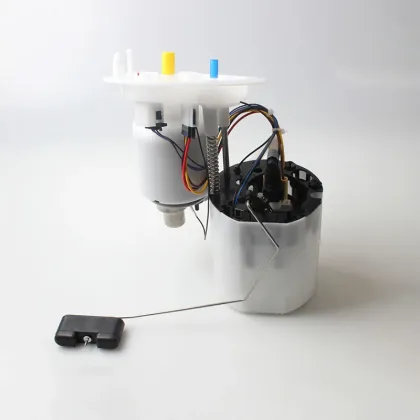
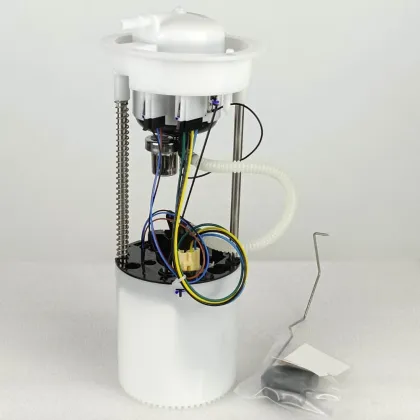
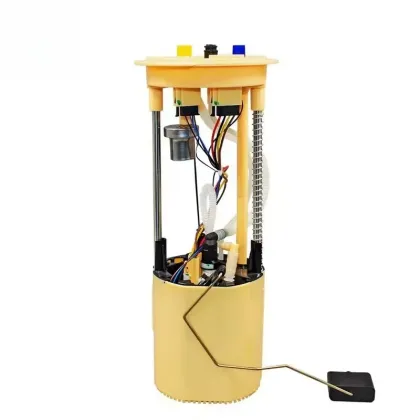
The in-tank pump is normally part of a larger assembly, often called the fuel delivery unit or fuel pump module. It carries the pump, a strainer, the fuel level sender and the connector, and it is held in the tank by a plastic lock ring and sealed with a gasket. That is why catalogs list it as a “fuel pump assembly / fuel unit” rather than just a pump.
Symptoms of a weak or failing pump
- Long cranking or a no-start, while the starter itself turns the engine normally.
- Stalling, particularly with a low fuel level, hot weather or after a hill or hard braking, when fuel may slosh away from the pickup.
- Hesitation, surging or power loss under load.
- A loud whine from beneath the rear seat that is new or louder than before. A faint hum when you turn the ignition on is normal.
- An erratic or stuck fuel gauge, because the level sender is part of the same unit.
- A check engine light with a fuel pressure or fuel system code.
Several of these match a failing high-pressure pump, a clogged filter or weak ignition parts too, so confirm the cause before you replace anything.
How to diagnose it
- Read the fault memory with a tool that supports Audi. Generic codes such as P0087 (fuel rail pressure too low) can result from either pump, so look for supply-side values as well.
- Turn the ignition on and listen near the rear seat for the pump priming. No sound at all points to power, a fuse, the relay or control circuit, or a dead pump.
- Check the fuse and wiring first. Corroded connectors and blown fuses are cheaper than a pump.
- Measure low-pressure fuel pressure with a gauge or by reading live data and compare it with the specification in your repair information. Pressure that drops quickly after shut-off, or stays low under load, suggests a weak pump.
- Consider fuel quality and contamination. Rust or dirt in the tank can kill a new pump, so inspect what you remove.
B7 versus B8: picking the right part by OEM number and VIN
The B7 A4 (about 2005–2008) and the B8 A4 (about 2009–2016) use different pump assemblies, and each generation has several variants by engine, drive (front-wheel or quattro) and tank. Do not guess from the model name. Use the part number on your old assembly, and verify it against your VIN in an Audi parts catalog before you order.
- 8E0919051CN is listed for the B7 A4 (about 2005–2008) with the 2.0 L turbo four and the 3.2 L V6. Some sellers describe it as non-quattro only, and the S4 uses a different unit, so check engine, drive and VIN.
- 8K0919051G is listed for the early B8 A4 (up to about the 2012 model year) with the 2.0 L and 3.2 L engines, and for the A5 and S5.
- 8K0919051AN is listed for the later B8.5 A4 (about 2013–2016), and for the A5, S4, S5 and allroad, including flex-fuel versions. It supersedes earlier 8K0919051 variants, so a different suffix on your old unit is normal.
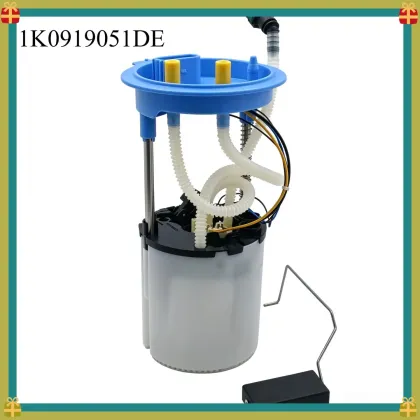
Other Audis use the same style of assembly with different numbers, for example 8R0919051E for the Q5 and 1K0919051DE for the A3 and TT. Browse all Audi fuel pumps or the Audi catalog if your number is not here.
Replacement overview, difficulty and safety
Difficulty: intermediate. On many A4s the assembly is reached through a cover under the rear seat cushion, so the tank does not need to come down. Some A4 variants and wagons differ, so check the procedure for your VIN. Allow two to three hours if everything goes well.
- Gasoline vapor is explosive. Work outside or in a well-ventilated space, with no sparks, open flames or running heaters nearby.
- Disconnect the battery. Relieve system pressure as your repair information directs, and keep rags ready for fuel that remains in the lines.
- Run the tank low beforehand, if the car still runs. Less fuel in the tank makes the job cleaner and lighter.
- Release the plastic lock ring with the proper tool or a brass drift; steel tools can spark and metal-on-plastic can crack the ring.
- Fit the new gasket or seal, set the unit in the same orientation, check the float arm clears the tank, and tighten the ring fully.
- Prime the system by turning the ignition on a few times before cranking, then check for leaks and fault codes.
Keep fuel contact with skin to a minimum and dispose of rags and drained fuel properly. If any step feels beyond you, a shop is the safe choice.
OEM versus aftermarket: an honest view
Audi’s original assemblies come from major suppliers, and the better aftermarket brands often use the same technology. The assemblies in our catalog are aftermarket replacements for the Audi OEM numbers shown; they are not genuine Audi parts. Pricing and quality vary widely at the cheap end of the market, so the best protection is an exact OEM number match, a new gasket and strainer, and a clean tank. Ask us about availability and delivery before you commit, because listings are pre-order.